What Downriver Homeowners Need to Know About Chimney Repairs
June 12, 2025For Downriver homeowners and those throughout Wayne County, a well-maintained chimney isn't just about aesthetics; it's about safety, efficiency, and protecting one of your most valuable assets.
This isn't a simple "fix-it" guide. This is a comprehensive look into the heart of your home's heating system, helping you understand the "why" behind every maintenance task and when to call in a professional who understands the unique challenges our Michigan climate presents.
Understanding the Dangers of Neglect
A chimney is more than a brick stack on your roof; it's a critical component of your home's ventilation and safety. Neglecting it can lead to serious and costly problems.
Creosote Buildup
This is the silent, flammable killer. Creosote is a tar-like residue that accumulates inside your chimney liner as a byproduct of burning wood. As it builds up, it becomes a severe fire hazard. A hot ember can easily ignite a thick layer of creosote, leading to a devastating chimney fire.
Carbon Monoxide Poisoning
A blocked or poorly maintained chimney can prevent toxic carbon monoxide gas from escaping your home. This colorless, odorless gas can be fatal.
Water Damage
Michigan's freeze-thaw cycle is brutal on masonry. Water seeps into cracks during warmer days, freezes, and expands, leading to spalling (the flaking of brick faces) and weakened mortar. This can compromise the structural integrity of your chimney and cause leaks that damage your roof, ceilings, and walls.
How Often Does a Chimney Really Need to Be Cleaned?
This is one of the most common questions we hear, and the answer isn't a simple one-size-fits-all. While the industry standard recommendation is an annual inspection, the need for a chimney cleaning depends on your usage habits.
Think of it like an oil change for your car. If you drive a lot, you need to change the oil more often. The same is true for your fireplace. If you burn fires frequently throughout the winter, especially with unseasoned wood, you may need more than one chimney cleaning service per year.
The general rule of thumb from the National Fire Protection Association is to have your chimney swept when the creosote buildup reaches 1/8 of an inch. A professional chimney sweep Downriver, like Above All Masonry & Construction, can assess this for you.
Essential Components of a Healthy Chimney
A chimney is a complex system of interconnected parts. To truly understand its health, you need to know what to look for.
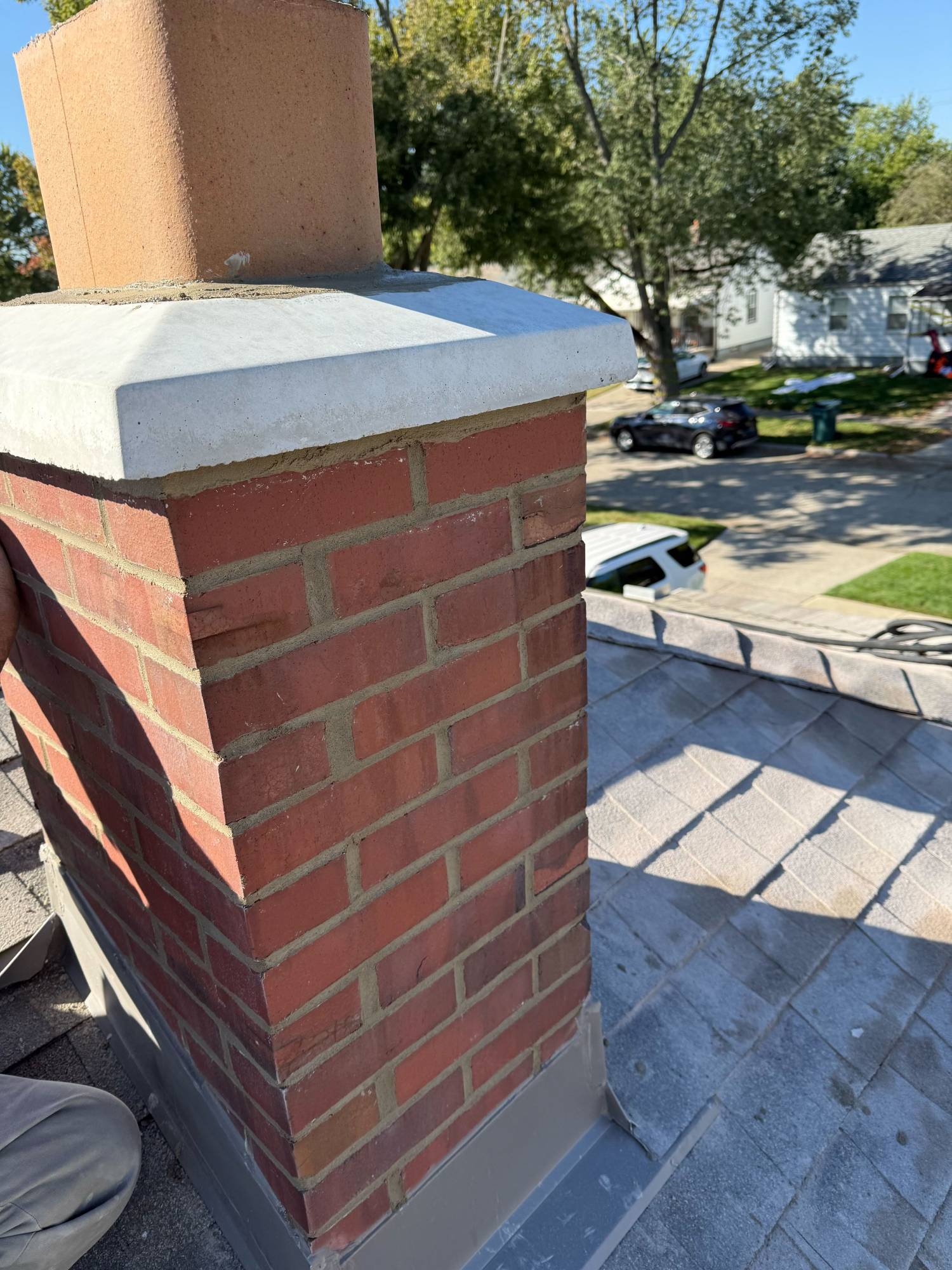
The Chimney Crown
This is the concrete or metal slab that sits at the very top of your chimney, sealing the top of the masonry and protecting the flue from the elements. Cracks in the crown are a primary source of water damage.
The Flue Liner
A chimney's flue liner is the pathway for smoke and gases to exit your home. Most modern liners are made of stainless steel, but older homes in the Downriver area, like those in Wyandotte or Allen Park, may have clay tile liners that are prone to cracking. A damaged liner can allow heat to transfer to the surrounding home structure, creating a fire risk.
Chimney Caps and Screens
A chimney cap is a vital, yet often overlooked, component. It's the "hat" on your chimney that prevents rain, snow, and debris from entering the flue. The mesh screen keeps out unwanted guests like birds, squirrels, and raccoons who are looking for a warm place to nest, preventing dangerous blockages.
Flashing
This is the metal seal where the chimney meets the roof. It is a common area for leaks if not properly installed or if it becomes damaged by shifting foundations or harsh weather.
The Cost of Chimney Care
Many homeowners in places like Taylor, Lincoln Park, or Trenton hesitate to get a professional chimney cleaning, fearing the cost. However, the price of neglect is far greater.
A basic chimney cleaning cost is a small fraction of what you would pay to repair a damaged flue, fix a leaking roof, or, worst-case scenario, rebuild a chimney after a fire.
Most routine chimney inspections and cleanings are quite affordable.
The cost of chimney caps is also a minimal investment considering the protection they offer from water damage and animal infestations. Think of it as preventative medicine for your home—it's always cheaper to prevent a problem than to fix it after the fact.
Local Expertise Matters
As a family-owned business serving the Downriver area, we understand the unique challenges of our local climate. When you're searching for "chimney repair near me," you need a company that knows the homes and the history of our community, from Flat Rock to Southgate.
At Above All Masonry & Construction, we treat every project like it's our own home. Whether it's a simple cleaning, a complex rebuild, or a quick 24-hour emergency service call, our fully insured and licensed team is dedicated to protecting your investment with durable, guaranteed products and professional, courteous service.
Key Takeaways
Annual Inspections are a Must
Even if you don't use your fireplace often, a yearly professional inspection is crucial for catching problems like cracks, blockages, or water damage before they escalate.
Prevent Chimney Fires
Regular chimney cleaning is the single most important step you can take to prevent a dangerous chimney fire caused by flammable creosote buildup.
Protect Against the Elements
A properly installed chimney cap is an affordable and essential way to keep water, debris, and animals out of your chimney, preventing costly damage.
Don't DIY Major Repairs
While you can do basic visual inspections, leave masonry and structural work to licensed and insured professionals. The safety of your home and family is worth it.
Local Expertise is Key
Choose a company like Above All Masonry & Construction that understands the unique needs of Downriver homeowners and the specific climate challenges of Wayne County.